
Phase one
Pain
Calm the pain down.
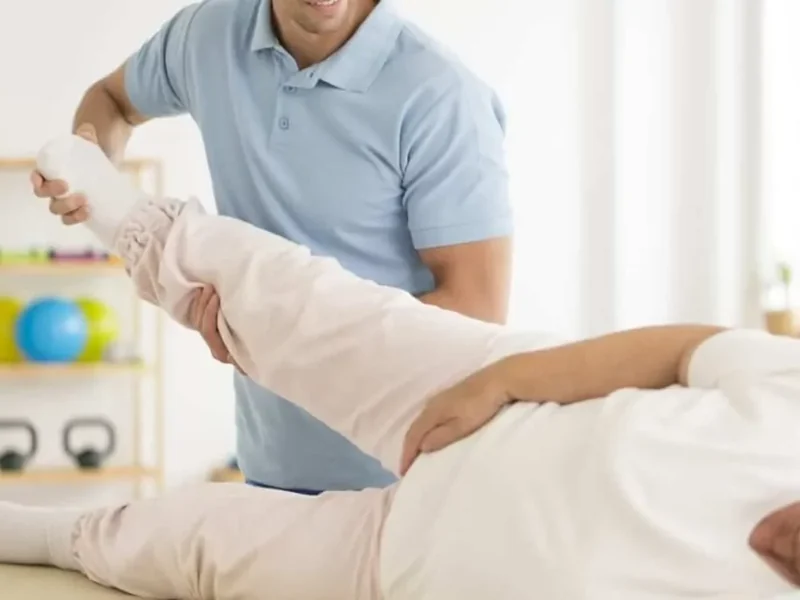
Hands-on techniques calm the irritated joint and take the edge off inflammation, starting your very first visit.
What We Treat
The pinch when you get out of the car. The ache that flares halfway through a walk you used to do without thinking. It’s fixable, and it starts with a cause-first evaluation, not a guess.
Sound Familiar?
Two or more? Keep reading.
Why It Happens
Your hip doesn’t hurt for no reason. And it’s almost never just one thing. It’s usually some mix of a few culprits: a hip joint or labrum that’s irritated from repetitive motion. Tight hip flexors pulling the joint out of its best position. Glute and core muscles that quietly weakened and stopped supporting the joint. And daily habits, how you sit, walk, and climb stairs, that keep reloading the same spot before it heals.
None of that shows up on a quick glance. It takes a real, cause-first evaluation to sort out which one is actually driving your pain. That’s why a heating pad or a generic stretching sheet so often falls short: they treat the symptom, not the source. Find the real cause, and the fix gets obvious.
The Honest Truth
You’re the one who still says yes to the extra flight of stairs, the long walk, the hike. Lately you say yes, then quietly pay for it. Book the evaluation before you start saying no.
How We Fix It
Every plan has an endpoint. Here’s what the four phases look like for a hip that’s stopped cooperating.
Phase one
Pain
Hands-on techniques calm the irritated joint and take the edge off inflammation, starting your very first visit.
Phase two
Prime
Targeted mobility work restores motion in the hip flexors and capsule that have been quietly guarding the injury.
Phase three
Perform
Progressive glute and core strengthening builds the stability your hip was missing in the first place.
Phase four
Prevent
Walking, stairs, and getting up and down mechanics get tested under real load before you’re cleared to go all-in: that’s the endpoint, not just another appointment.
We would rather you read what actual patients wrote than anything we could write about ourselves. Forty-five of them have reviewed this clinic on Google, and the average is a five.
Questions, Answered
Usually not, and it’s rarely the first step. Imaging often shows the same wear and tear in hips that feel completely fine, so it doesn’t always point to the real cause of your pain. We start with a hands-on evaluation to find what’s actually driving your symptoms, and if imaging ever becomes genuinely necessary, we’ll help you get it. You don’t have to wait on a scan to start feeling better.
Yes, in most cases movement helps more than rest does. Hurt doesn’t always mean harm, and staying off it tends to make a hip stiffer and weaker, which sets up the next flare-up. The key is dosing the right movement for your specific hip, which is exactly what a Doctor of PT sorts out at your evaluation, then progresses safely as you improve.
How fast you feel a change depends on what is driving it, and you’ll get an honest estimate at your evaluation. A full plan runs through all four phases, Pain, Prime, Perform, and Prevent. Either way, you get a plan with an endpoint: you’ll always know which phase you’re in and what’s left, not an open-ended string of appointments.
Book Your Visit
Request a time and a real person calls you back, usually within two business hours. No phone tree. No ‘someone will reach out.’ Just a plan.
5.0 · 45 Google reviews
Typical response: under 2 business hours
Step 1 of 5
All fields are required.
That’s the hard part done. We’ll call during business hours to lock in your time. Most people are on the schedule same week.
Visit Us